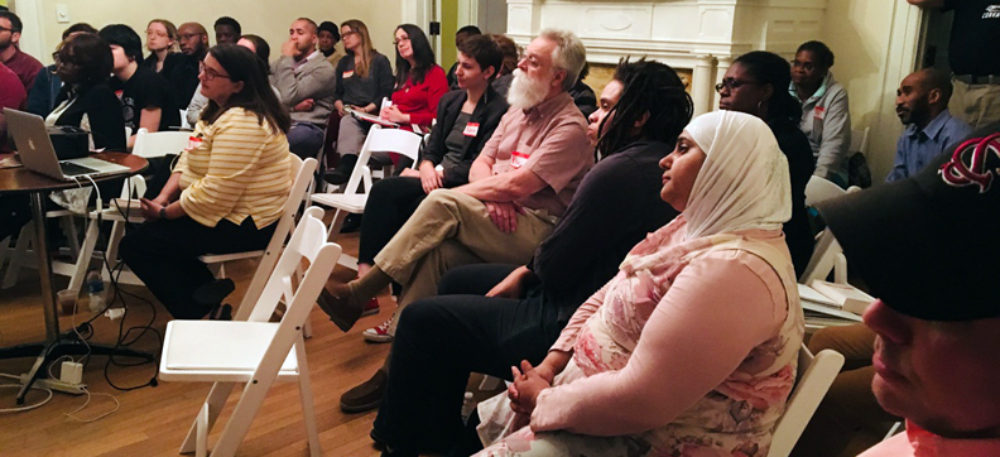
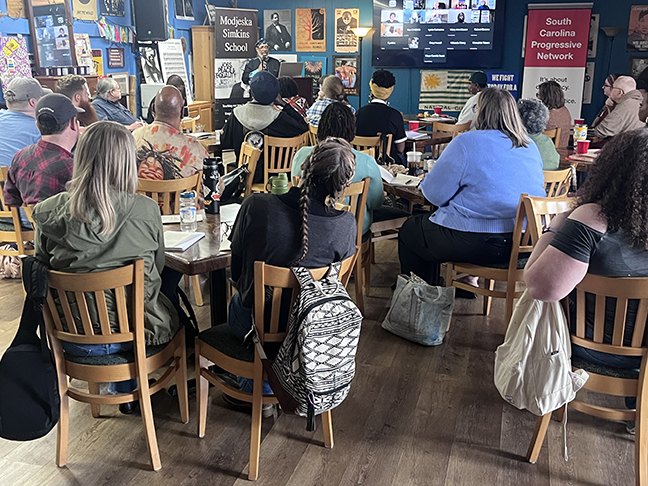
On Sunday, students attending the seven-lesson series on ancient Afrika led by Dr. Burnett Kwadwo Gallman gathered on Zoom for the final lecture. The series is part of the Modjeska Simkins School, a project of the SC Progressive Network.
It was an engaging and enlightening session, and we thank Dr. Gallman for making it so.
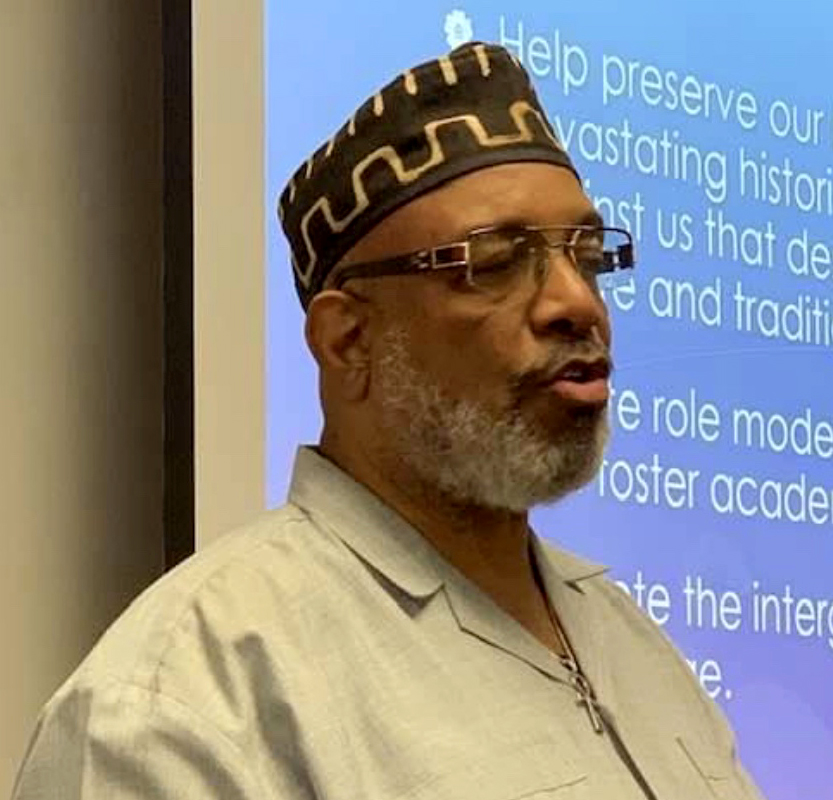
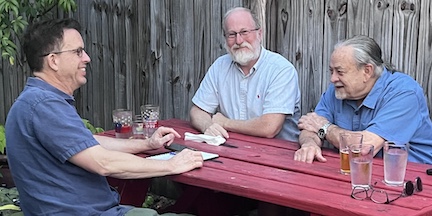
Dr. Gallman
Cecil Cahoon, who serves on the Network’s board, sent this message:
“I attended the Afrkan History series for the first time this summer and have been bowled over by the depth and breadth of the information he presented. This afternoon’s conclusion was exemplary. At my age, it is a joy to learn new things for the first time, and to discover the ancient throughlines that connect what I never knew before to what I do know. I’m immensely grateful — and so glad that we’re the conduit through which interested people can build this sort of community.”
The lectures are posted on the Network’s Afrikan History 2026 playlist on YouTube. Feel free to view and share with friends.
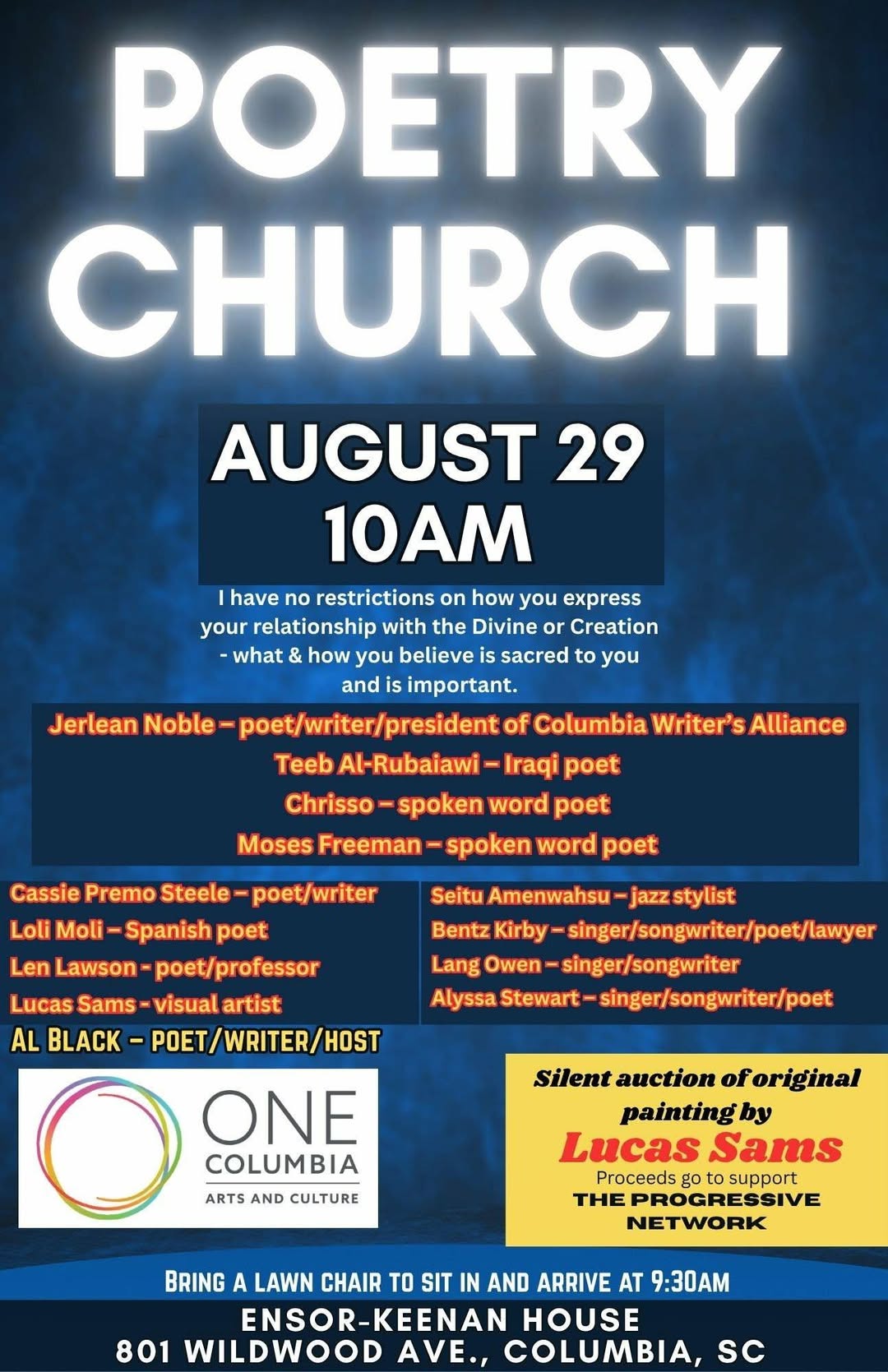
We are pleased and honored that the SC Progressive Network has been chosen to receive proceeds from Al Black’s event Saturday at the Ensor-Keenan House in Columbia.
Message from Cecil Cahoon to Network members and allies
I write to you on behalf of the Board of Directors of the SC Progressive Network Education Fund, on which I am honored to serve.
Because of your personal or professional association with Brett Bursey, your knowledge of him and his character, and of the work that you have done with him during his decades of public activism and leadership, we write to you with a very special request.
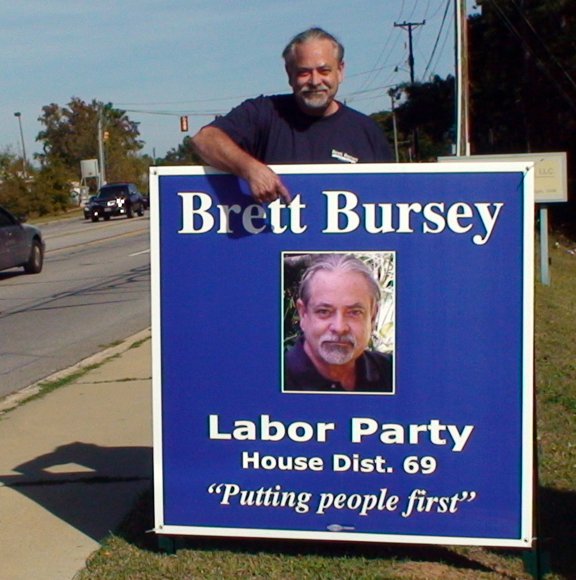
My fellow Directors and I wish to nominate our friend and Executive Director of the SC Progressive Network for the South Carolina Order of the Palmetto. We intend to submit this nomination to the Governor’s Office by Sept. 1, 2026. To include the required letters of support, we need them no later than Aug. 26.
The Order of the Palmetto is “the State of South Carolina’s highest honor. It is presented in recognition of a lifetime of ex traordinary achievement, service, and contributions on a national or statewide scale… it recognizes individuals who have selflessly given of their time, resources and goodwill through a variety of different causes and pursuits to the benefit of their neighbors, fellow citizens and the fabric and prosperity of South Carolina. Business, political or personal accomplishment may be important factors, but noble works for others mark the true purpose.”
We believe that Brett fills this bill on all counts. We suspect that YOU have some personal or professional knowledge of instances that exemplify Brett’s qualifications under these selection criteria.
Nomination applications are reviewed and screened by a committee selected by the Governor. Based on the information we submit, that committee determines whether to submit the nomination application to the Governor for consideration.
We, the Board of Directors, will complete the nomination form as required. We will submit a biographical summary. But we believe the body and substance of this nomination can come from you, and from others like you, who have worked with Brett and witnessed his commitment to social justice and equality first-hand.
You may know him from his earliest years of his activism as a young civil rights activist, traveling SC campuses for SSOC, or his opposition to the Vietnam War, which cost him nearly two years in prison for spray painting an antiwar slogan on the draft board wall.
Or you may know him from GROW, the activist hub in Columbia that he ran in the 1970s and ‘80s, managing a cafe, a print shop, and a cadre of grassroots organizers. Or from the Natural Guard he started in the late 70’s that played a significant role in the national anti-nuclear movement.
You may know him from POINT, the investigative newspaper that he co-produced for a decade on a shoestring budget that happily skewered the power elite in the Palmetto State.
Or you may know him from the SC Progressive Network, which he shepherded into existence in 1996 at historic Penn Center. You might have worked with him on one of the Network’s projects: publicly financed elections; the Healthy Democracy Road Show for Medicaid expansion; stopping the state’s photo ID law at pre-clearance; the Missing Voter Project; the Racial Justice Project; or the Healthy Democracy campaign.
Maybe you are one of nearly 500 graduates of the Modjeska Simkins School, which he helped launch in 2015 and named for his mentor, Columbia human rights icon Modjeska Monteith Simkins, the woman with whom he collaborated during the last 18 years of her life.
Or maybe you know him from the new GROW, the headquarters of the Network and the school. Brett put his home up to help secure the funding to buy the building next door to Ms. Simkins’ home. It is, as we say, the intersection of art, activism, and education. It is a unique, vibrant space that is knitting together a tight community.
Brett at GROW with Dr. Robert Greene II, Modjeska Simkins School’s Lead Instructor since 2019
Whether you have worked with him, rallied with him, marched with him, been arrested with him, or been inspired by him, we ask that you please submit a letter of recommendation in support of this nomination. A single page is adequate.
Because Brett’s record of activism has spanned six decades, has addressed so many issues of concern to ordinary South Car olinians, and has sought to connect so many individuals and organizations in civic engagement, we are inviting letters of recommendation from many friends and partners like you. Our secondary goal is to compile your letter with others’ letters in a bound volume as a gift to Brett.
The Governor’s Office has this specific requirement for your letter of recommendation: That you “attest to the nominee’s character, accomplishments, and contributions to the people of South Carolina.”
Your letter should be addressed to Governor Henry McMaster. Please print and sign your letter, and send it to our office at PO Box 8325, Columbia, SC, 29202. Printed letters only, please. Copies of these letters will be bound in a special volume as a gift to Brett.
To ensure that your letter is received in time for inclusion in our package to the Governor’s Office, please date and mail it to us by Aug. 26, 2026.
We thank you in advance.
Sincerely, and in solidarity,
Cecil Cahoon, S.C. Progressive Network Education Fund Director At Large
Cc: Kyle Criminger, S.C. Progressive Network Education Fund Co-Chair
Carol Singletary, S.C. Progressive Network Education Fund Co-Chair
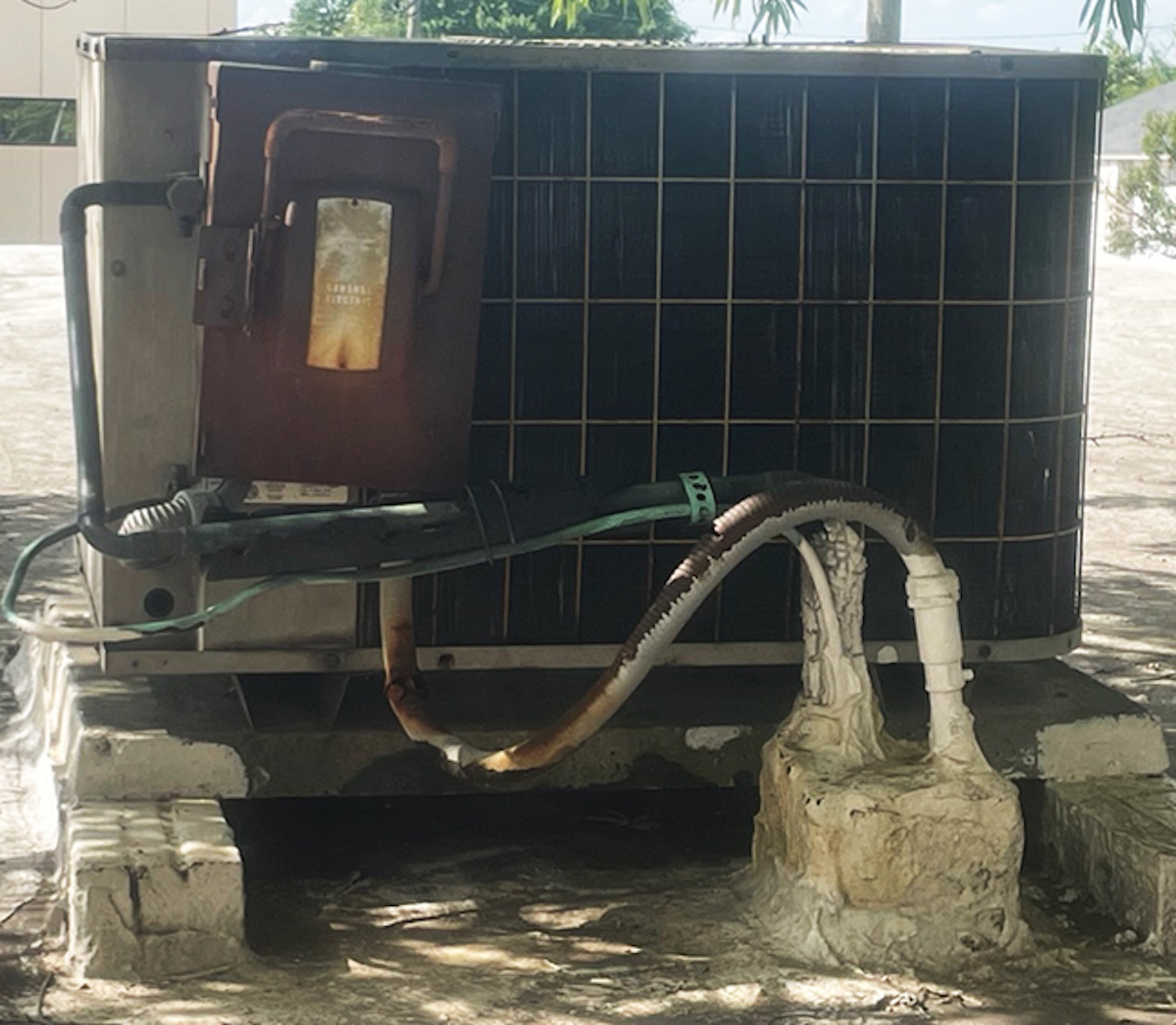
The good news is that GROW has a brand new air-conditioner.
The bad news is that it came with an $8,500 price tag.
As word spreads about our music workshops, open mic sessions, and other events, GROW is increasingly running at full capacity. In this blistering Carolina heat, the place can get steamy.
Our old AC was 31 years old and struggled to cool the building when packed with humanity. While we appreciate its long and noble service, it was time for a new unit.
In an effort to keep GROW accessible to all, most of our programs are free. We operate on a bare-bones budget, and rely on donations, memberships, and occasional small grants to keep the lights on and the bills paid. This unexpected expense stings.
We need your help.
We are passing the virtual hat to help defray costs. If you can make a donation of any amount, please know how much the GROW staff and our once-sweaty patrons appreciate your generosity.
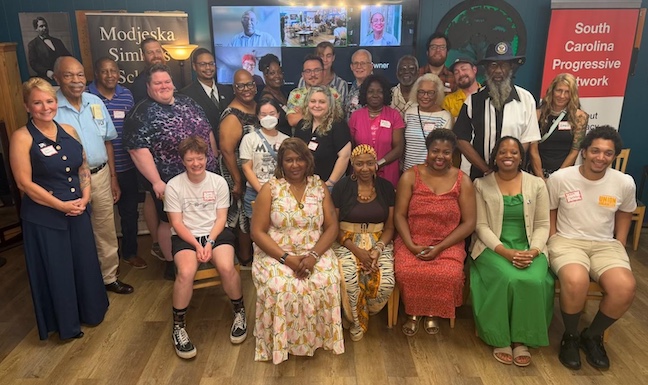
Students from across South Carolina gathered at GROW in Columbia on Saturday, June 27, to celebrate their graduation from the spring session of the Modjeska Simkins School.
They’d been meeting every Monday evening since Feb. 28 online and in-person in Columbia and at five satellite sites. Many of the students had not seen each other face-to-face since the orientation session months earlier. They were excited to reconnect and talk about what the semester meant to them.
It was a happy occasion. You can watch the full program HERE.
We were honored to have as our keynote speaker USC history professor Dr. Bobby Donaldson, who has been a good friend and supporter of the Modjeska Simkins School from its beginning. His remarks are posted HERE.
It was a powerful semester, thanks to engaged students, talented guest presenters, and the leadership of Network Director Brett Bursey and lead instructor Dr. Robert Greene II.
We salute the new members of a unique club that started in 2015, with the first graduating class of the Modjeska School. The course is challenging because of the time commitment it requires, the amount of material covered, and the difficulty of the subject matter. To graduate is no small feat.
These students — of all ages, backgrounds, and life experience — have taken to heart Ms. Simkins’ call to action. As she said, “Ladies and gentlemen, this is no sitting-down time.”
More about the school at modjeskaschool.com. It includes details about Dr. Burnett Gallman‘s upcoming online series on Afrikan history, which will meet on Sunday afternoons July 12 – Aug. 23. The course is free and open to the public.
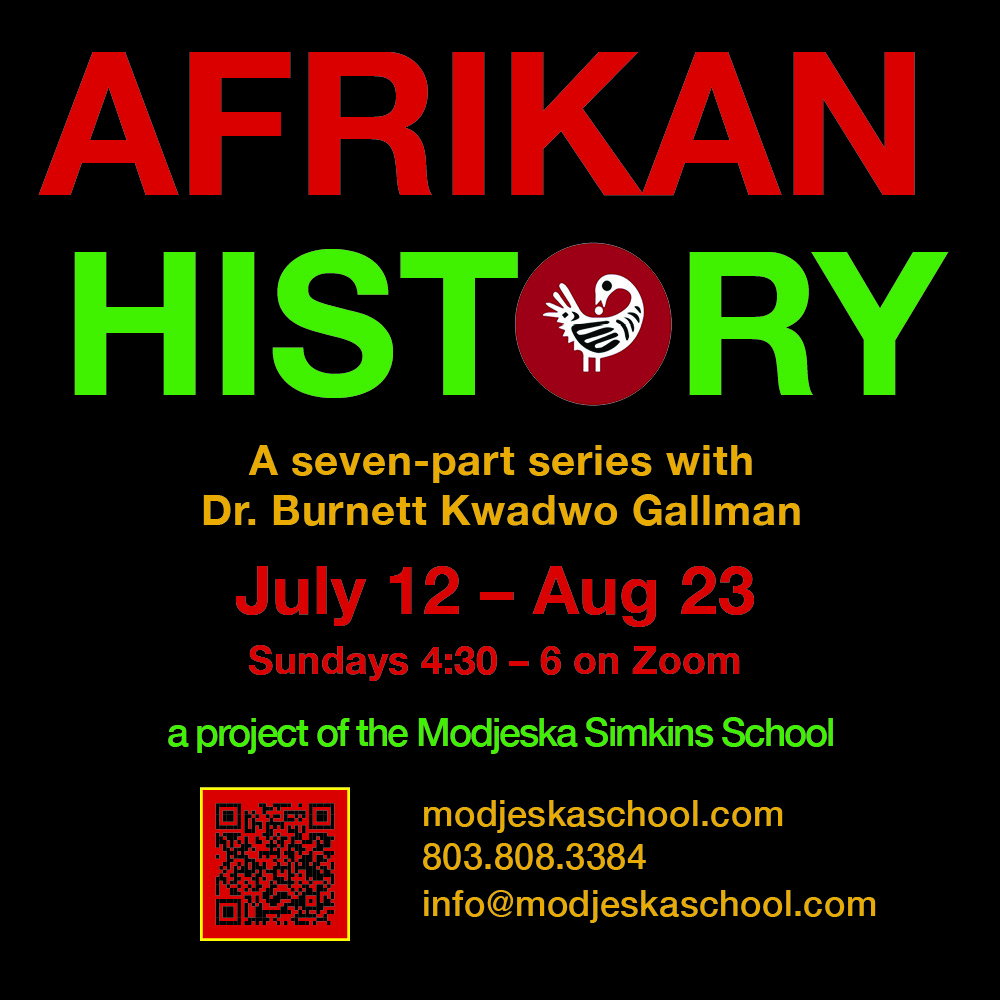
Since 2023, Dr. Burnett Kwadwo Gallman has been teaching Afrikan history to Modjeska Simkins School students during its spring session. This year, for the first time, the school is opening his lecture series to the general public.
The seven-part series will be held on Zoom Sunday afternoons at 4:30 from July 12 through Aug. 23. For details or to register, click HERE.
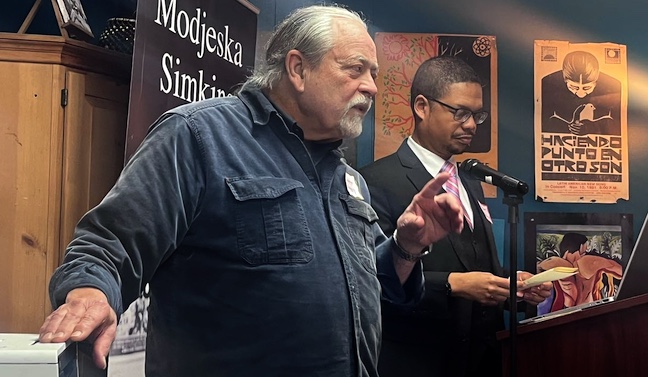
Dr. Gallman speaks at orientation for the 2026 spring semester at GROW in Columbia.
Dr. Gallman says, “The lecture series is important because it seeks to correct the lies and misinformation that has, unfortunately, become standard. It will cover the high points in the history of Afrikan people that have been ignored, distorted, or claimed by others.”
Dr. Gallman is a Columbia physician who has practiced gastroenterology for more than 40 years. He has a special interest in addressing and eradicating racial health disparities. He is a former musician whose college education was partially financed with band scholarships.
Dr. Gallman was born and reared in Hartsville, SC. He is a graduate of Butler High School, Benedict College, and the Hahnemann Medical College and Hospital (now Drexel University).
Dr. Gallman has taught, lectured, and written for civic, religious and professional groups, correctional institutions, high schools, and universities across the United States and Afrika. His passion for genealogy and Afrikan history was sparked while researching his roots for a 1985 family reunion. He traced his paternal line to 18th century Angola.
“Burnie has such a deep wealth of knowledge about Afrikan history and culture, I asked him to teach a class to counter the myths we are taught in school,” said SC Progressive Network Director Brett Bursey, who met Dr. Gallman in the mid 1980s. “He came to GROW to get some printing done and we’ve remained good friends.”
Dr Gallman has served on the SC Progressive Network‘s board since 2021, and he currently serves on the national board of the Association for the Study of Classical African Civilizations (ASCAC). He has authored or co-authored seven books and numerous articles, including a book on Afrikan-centered rites of passage.
GROW will hold its first-ever open mic night on Thursday, April 30, 7:30–9:30pm. Depending on interest, it may become a monthly feature, along with our regular music workshops. (Jazz 1st and 3rd Thursdays, 8–10. Blues 2nd and 4th Thursdays, 7:30–10:30. Note that we’ve added an hour to blues night.)
In honor of national Poetry Month, the first open mic will be anchored by poet Dr. Ed Madden, who served a long stint on the SC Progressive Network’s board and is a frequent guest at the Modjeska Simkins School.
Madden teaches English at the University of South Carolina, where he was former director of the Women’s and Gender Studies Program. From 2015 until 2022, he served as Columbia’s first poet laureate. He has published six books of poetry and six chapbooks.
On Thursday, Madden will read from his newest chapbook, I Asked Him What He Needed.
Ed Madden (left), his husband Bert Easter (center), and Network Director Brett Bursey shared a meal recently in Columbia.
We also will welcome to the stage the uber-talented Sara Williams, a GROW music workshop regular, who is coming armed with resistance songs. Also on tap is Serbian Sasha Struhas, a gifted guitar player and another GROW regular, who will play what he calls “gypsy music.” And you won’t want to miss our friend Steve Hait, who will share an original tune or two on his ukelele.
If you want a turn at the mic, come early and sign up. How much time you get will depend on how many folks show up.
As usual, we will have nibbles made in-house by our chef Leisa Marie Greer, and a selection of beverages for suggested donations.
GROW is at 1340 Elmwood Ave. in downtown Columbia. If you have questions, email network@scpronet.com or call 803-808-3384.
We are pleased to welcome Dr. Jennifer Taylor back to the Modjeska Simkins School on Sunday afternoon for the 4th Deep Dive of the semester.
Dr. Taylor earned her PhD at USC, and is an AssociateProfessor of Public History at Duquesne University. She specializes in debunking myths and telling true stories about our painful past. She addresses the tensions between the romanticized history told by the winners and the peoples’ lived history.
Dr. Taylor offers best practices for interpreting issues such as white supremacy and domestic political terrorism for public audiences. Her recent book, Rebirth: Creating the Museum of the Reconstruction Era and the Future of the House Museum, tells how the Woodrow Wilson boyhood home in Columbia was upgraded for the 21st Century as the Museum of the Reconstruction Era. Rebirth is available in hardback and paperback, as well as a free open access e-book through the University of South Carolina Press.
This program is free and open to the public. Register HERE.
• • •
Deep Dives are part of the Modjeska Simkins School’s spring session. They offer in-depth conversations about historic and current topics with leading writers, teachers, activists, and historians.
If you’ve been thinking about attending the Modjeska Simkins School, you have until Wednesday, Feb. 25, to apply. If you sign up, you will be joining what’s shaping up to be a diverse and dynamic class.
It includes teachers, musicians, veterans, a waitress, a Baptist minister, a truck driver, a biochemist, retirees of all manner, and Chieftess of the Gullah/Geechee Nation.
They will participate online from Berkeley, CA; Skokie, IL; Bloomfield CT; Dumas, AR, and from towns across South Carolina — Florence, Saluda, Liberty, Indian Land, Pendleton, and Hollywood, among others.
Others will gather at GROW in Columbia, where classes will be broadcast live to groups at the school’s satellite sites (listed below).
SC Progressive Network board member Cecil Cahoon is heading up the school’s enrollment process.“Most of the applicants have told us a couple of important things,” he said. “One is that they crave understanding details about South Carolina’s history that explain how we got to where we are in our social, economic, and political cultures — things they know they didn’t learn in school. And the second is that they want to know how to get involved with others to create positive change in our communities and state. The combination of these two interests makes this group ideal for the 11th session of the Modjeska School because our school offers the information and the community they seek. And there’s no time like the present.”
Guided by the example of South Carolina’s civil rights icon Modjeska Monteith Simkins, the school is a master class in history and applied democracy taught by nationally renowned historians, authors, attorneys, advocates, and other modern-day revolutionaries.
Dr. Robert Greene II, a tenured professor at Claflin University and president of the national African American Intellectual History Society, has served as the school’s lead instructor since 2019. “This year’s session of the Modjeska Simkins School comes at a time of both great peril and great promise for our state and our nation,” he said. “Learning the true history of South Carolina’s past can be inspiring and up-lifting. We need that now.”
“In the last ten years, Over 400 students have graduated from this unique master class in personal and collective liberation,” said Network Director Brett Bursey. “Since working with Ms. Simkins for 19 years, her mentorship continues to inspire and inform us. We think she would approve of the anti-partisan, nonviolent war college we have created to help reconstruct democracy in South Carolina.”
As we approach the 250th anniversary of America’s founding by revolutionaries, South Carolina’s need and deserve to hear and learn more truth, not less. There are no bolder transmitters of truth than public school teachers, which is why the school is offering free resources and scholarships to SC teachers.
Bernadette R. Hampton, a Beaufort County school teacher and former president of the SC Education Association, graduated from the Modjeska School last year. “I learned that heroes like Robert Smalls and other Black legislators during Reconstruction wrote a new state Constitution in 1868 that — for the first and last time — guaranteed equal, public education to every child in South Carolina.
Today’s Jim Crow Constitution of 1895 has been amended to offer “minimally adequate education.” Sadly, the quality of that education is not equal but rather dictated by a child’s zip code. I strongly encourage teachers — especially retirees— to take advantage of the opportunity to attend the spring session.”
Classes meet Monday evenings 6:30–8:30 March 2 – June 22. Orientation is Feb. 28.
See modjeskaschool.com for more about the school, the class schedule, tuition fees, and the application form.
The school is transformative, but don’t take our word for it. Watch this clip from last year’s graduation. What did they learn?
Dr. Robert Greene II awards Bernadette R. Hampton her diploma at last year’s Modjeska Simkins School graduation.
• Modjeska Simkins School 2026 Sites •
Columbia GROW – HQ for the SC Progressive Network and Modjeska Simkins School 1340 Elmwood Avenue
Charleston CAFE 6296 Rivers Avenue Machinist Union Office Suite 310< North Charleston
Dr. Robert Greene II, who teaches history at Claflin and is the lead instructor for Modjeska Simkins School, awards Bernadette Hampton her certificate at last year’s graduation ceremony in Columbia.
The Modjeska Simkins School, now in its 11th year of teaching civics and a true history of South Carolina, invites public school teachers to attend the spring session free of charge. Orientation is Feb. 28, with hybrid classes meeting Monday evenings between March 2 and June 22. Students may participate on Zoom, in-person in Columbia, or at one of five satellite sites, in Charleston, Lancaster, Orangeburg, Pendleton, Penn Center, and Sumter.
Below are messages from two champions of public education, Bernadette Hampton and Cecil Cahoon.
• • •
Cecil Cahoon
SC Progressive Network Board of Directors, former English/Language Arts teacher, North Carolina Public Schools
George Orwell reportedly said, “In a time of deceit, telling the truth is a revolutionary act.”
As we approach the 250th anniversary of America’s founding by revolutionaries, South Carolina’s students need and deserve to hear and learn more truth, not less. There are no better transmitters of truth to our students than South Carolina’s public school teachers, which is why the school is offering free resources and scholarships to teachers.
Guided by the example of our own civil rights icon Modjeska Monteith Simkins, the SC Progressive Network publishes unvarnished truth in its booklets on heroes, heroines, and defining events in the people’s history of our state. It teaches the same truth through the annual Modjeska Simkins School for Human Rights, a series of master classes in history and applied democracy that are taught by nationally-renowned historians, authors, attorneys, advocates, and other modern-day revolutionaries.
• • •
Bernadette Hampton
Beaufort County school teacher and former President of the SC Education Association
The Modjeska Simkins School taught me that heroes like Robert Smalls and other Black legislators during Reconstruction wrote a new state Constitution in 1868 that — for the first and last time — guaranteed equal, public education to every child in South Carolina.
Today’s Jim Crow Constitution of 1895 has been amended to offer “minimally adequate education.” Sadly, the quality of that education is not equal but rather dictated by a child’s zip code. I learned that South Carolina prevented slavery from being banned in the US Constitution, and that our state ensured that enslaved thousands counted as two-thirds of a human being so that slave states would retain more power in Congress.
I strongly encourage teachers — especially retirees— to take advantage of the opportunity to attend the spring session of the school, which is waiving the $500 tuition for all public school educators.